
Outdoor Furniture Ideas for Mexico: Designing Terraces, Palapas & Pools
There is a particular kind of afternoon that only happens in Mexico.
The light drops low and golden. The Pacific breeze picks up just enough to move the fronds on the palms. Somewhere below — or above, depending on where you are on the hillside — you can hear the ocean. The temperature, which at noon was magnificent and at two o'clock was ferocious, has settled into something close to perfect.
And if your terrace is designed well, you are already out there in it.
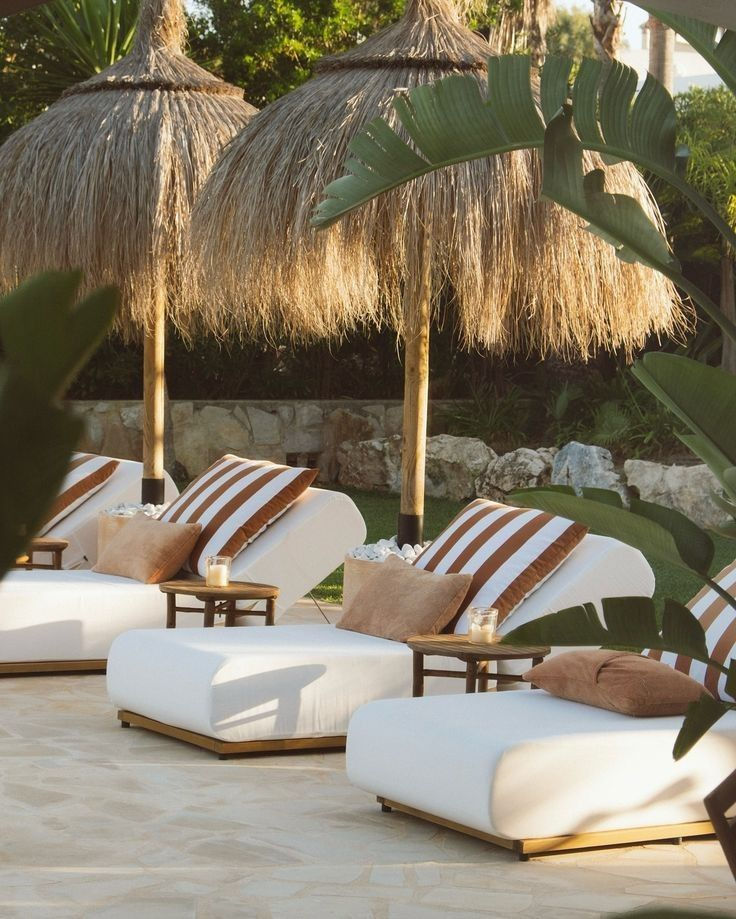
This is the outdoor living that Mexico's Pacific coast offers — and it is, without any exaggeration, one of the most extraordinary daily experiences available anywhere in the world. The question is whether your outdoor space is designed to receive it, or whether it is — like so many terraces, palapas, and pool decks in properties across Puerto Vallarta and the Banderas Bay region — a missed opportunity sitting just beyond the sliding door.
Outdoor design in Mexico is its own discipline. It requires different thinking from the way most people approach an interior, and it requires a different set of material decisions from the way most people approach outdoor spaces in more temperate climates. This guide is a thorough introduction to both.
Why Outdoor Furniture Design in Mexico Is Different
Before we get into specific furniture, layouts, and materials, it is worth naming what makes outdoor design in Mexico's Pacific coast genuinely distinct from outdoor design almost anywhere else.
The outdoors is not seasonal here — it is permanent. In most of North America and Europe, outdoor furniture is a warm-weather consideration. In Puerto Vallarta, the outdoor terrace or pool deck is a year-round living room. It operates twelve months a year, 365 days a year, and it needs to be designed with that reality built into every decision.
The climate is aggressive toward materials. In tropical coastal environments, teak, rattan, or synthetic wicker furniture designed to resist moisture and UV rays are the professional standard — and maintenance is crucial in humid areas, with budgets needed for sealing, painting, and pest control. The combination of high humidity, intense Pacific sun, ocean air, and a rainy season that runs from July through October creates a gauntlet that eliminates cheap, wrong, or simply unlucky material choices within a single year.
The view is architecture. From a terrace or private infinity pool, panoramic views can stretch across Banderas Bay from Punta Mita to Sayulita to Nuevo Vallarta, sweeping over the Romantic Zone and toward Conchas Chinas. A terrace in Puerto Vallarta doesn't frame a garden — it frames the Pacific Ocean, the Sierra Madre, the bay at night lit from below. Every design decision has to honour that view or at least refuse to compete with it.
The outdoor space is often the best room in the house. This sounds dramatic until you have been on a hillside terrace in Amapas at seven in the evening. Then it becomes simply accurate. Modern courtyards and terraces are becoming increasingly popular because they create private outdoor sanctuaries that feel calm, elegant, and architecturally connected to the home — transitional spaces that blend interior and exterior environments through thoughtful landscaping and minimalist design. In Puerto Vallarta, this is not a trend. It is the architecture's original intention.
The Three Zones of a Well-Designed Mexican Outdoor Space
The most effective way to approach outdoor design in Mexico is to stop thinking of the terrace, palapa, and pool deck as a single undifferentiated space and start thinking of them as a collection of distinct zones, each with its own purpose, furniture logic, and design language.
Zone 1: The Living Area
The outdoor living area is the closest equivalent to an interior sala — a space for conversation, relaxation, and connection. In properties across Puerto Vallarta, this zone most commonly takes the form of a covered terrace or the shaded interior of a palapa.
The furniture logic here is comfort above all else. Homeowners are increasingly investing in high-performance outdoor seating that remains stylish while resisting moisture, UV exposure, temperature changes, and heavy use — with modern lounge chairs combining ergonomic support with sophisticated aesthetics, making them feel almost identical to premium indoor furniture. In a space you genuinely use every day, the difference between outdoor furniture that is merely weather-resistant and outdoor furniture that is deeply comfortable is felt in the body, not just appreciated in the eye.
The key pieces for an outdoor living zone:
A primary sofa or sectional. For covered terraces and palapa interiors, a sectional with performance-fabric cushions and a durable frame — teak, powder-coated aluminum, or synthetic rattan over stainless steel — gives flexibility for different group sizes and occasions. The frame should be sized generously: low, wide, deep, invitation-shaped. Curves are still prominent in outdoor furniture for 2026, with soft frames that shape how outdoor seating meets the body — lines following full arcs through the seat and back, with proportions built for lounge climates and open-air terraces.
Accent chairs. Two to four individual chairs flanking or completing the conversation circle give flexibility and break the uniformity that matching furniture sets often produce. Rather than buying a matching set, mixing and matching looks far more curated and layered — colorful fabrics for cushion seating and accessories bringing personality and warmth to an outside space. In Puerto Vallarta specifically, mixing woven rattan chairs with a teak sofa frame, or a stone side table with a linen-cushioned lounge chair, produces exactly the kind of layered, collected quality that distinguishes a designed space from an assembled one.
A coffee or central table. Travertine, honed limestone, concrete, or solid teak — these materials work beautifully as the central surface in an outdoor living zone. They weather the climate gracefully and carry the weight of daily use. Glass tops, while visually light, tend to heat up dramatically in direct sun and accumulate salt residue from ocean air more quickly than stone.
Pendant or hanging light. For covered terraces and palapas specifically, a woven pendant light — rattan, seagrass, or woven bamboo — is one of the most transformative and budget-efficient changes you can make to an outdoor living space. It drops the ceiling visually, creates intimacy, and signals that this is a designed room, not a covered walkway.
Zone 2: The Dining Area
The outdoor dining zone in a Mexico property is where some of the most memorable experiences happen: long lunches that become dinners, breakfasts watching the bay, late evenings with wine and the city glittering below.
It deserves a proper dining table, not the folding alternative that so many terraces settle for.
The table. For outdoor dining in Puerto Vallarta's climate, solid teak or concrete are the two most practical choices at the high end, with powder-coated aluminum at the mid range. Teak remains one of the most desirable materials in outdoor furniture because it offers a rare balance between natural warmth, durability, and timeless sophistication — softening minimalist architecture while maintaining a clean and refined appearance. Size the table for one and a half to two times the number of people you realistically host — outdoor dining almost always expands to fill available space.
The chairs. This is where personal taste has more room to operate. Teak slat chairs are classic. Woven rattan with weather-resistant cushions are warm and tactile. Metal bistro chairs in powder-coated matte finishes bring a more graphic quality. Whatever you choose, consistency matters: the dining chairs should feel like a deliberate set, even if the rest of the outdoor space mixes and matches.
The shade solution. Outdoor dining in Puerto Vallarta between eleven in the morning and four in the afternoon without shade is an exercise in endurance, not pleasure. Options include: a palapa roof (the best, if the structure permits it), a large rectangular umbrella (practical, adjustable), a pergola with climbing plants (beautiful but requiring maintenance), or shade sails (modern and flexible). The shade solution is not an afterthought — it determines whether the dining zone is used at all during the bulk of the day.
Outdoor kitchen or bar. Outdoor kitchens are becoming a staple in luxury properties — guests and owners love alfresco dining with a fully equipped outdoor kitchen, incorporating a dining table, outdoor seating, and high-quality appliances for an unforgettable dining experience. Even in smaller properties, a built-in outdoor counter with a bar sink, a small refrigerator, and a grill transforms the dining zone from a place to eat into a place to cook, pour, and gather. The counter material — concrete, stone tile, or marine-grade stainless — should match the climate demands.
Zone 3: The Pool and Deck Area
The pool deck is the most performance-driven zone of any outdoor space in Mexico. It needs to look beautiful, function safely (non-slip surface treatment is non-negotiable on stone or tile in a wet environment), and accommodate the specific choreography of pool life: entry and exit, sunbathing, shade retreat, towel storage, drink surfaces.
Chaise lounges. For the pool zone, the chaise lounge is the primary piece — and it needs to be selected with more rigour than almost any other piece of outdoor furniture. Oversized chaise lounges and adjustable reclining chairs with quick-dry foam technology and materials like marine-grade aluminum, synthetic teak, all-weather wicker, and performance upholstery fabrics help preserve appearance even in difficult outdoor conditions. For Puerto Vallarta specifically, quick-dry foam is essential — a cushion that takes six hours to dry after a rain shower is a cushion that gets left inside, which defeats the purpose entirely.
Side tables and drink surfaces. Every chaise or lounge chair needs a surface within easy reach. Small side tables in powder-coated aluminum, cast concrete, or resin wicker are practical and portable. Some of the most effective pool deck solutions use built-in ledges at the edge of the deck itself, integrated into the hardscape design rather than added afterward.
The infinity edge or visual connection to the view. For 2026, pool design trends are focused on clean architecture, luxury finishes, and creating a complete outdoor living experience — with organic shapes and integrated design that connects the pool to the overall architecture of the home. In hillside properties across Conchas Chinas, Amapas, and the Puerto Vallarta South Shore, the infinity pool edge is one of the defining design gestures of the entire property. The chaise orientation, the deck material, and the furniture placement should all be calculated in relation to it.
Materials That Work in Mexico — And Materials That Don't
This is the section that will save you the most money and frustration over the life of your outdoor space.
Materials That Work
Solid teak. The gold standard for outdoor furniture in tropical climates worldwide. Teak is naturally high in oil content, which makes it resistant to moisture, insects, and temperature fluctuation. It weathers to a silver-grey if left untreated (which is beautiful in its own right) or can be maintained in its warm honey tone with periodic oiling. It is expensive upfront and lasts for decades.
Powder-coated aluminum. The most practical frame material for outdoor furniture in humid, salt-air environments. Aluminum doesn't rust, doesn't warp, and the powder-coat finish protects it from UV degradation. Look for marine-grade specifications if the property is within 500 metres of the ocean.
Synthetic wicker / all-weather rattan. High-quality synthetic rattan woven over a powder-coated aluminum frame is the most versatile choice for outdoor furniture in Puerto Vallarta. It provides the warmth and texture of natural rattan without the degradation issues that natural rattan experiences in prolonged sun and humidity exposure. The key word is "high-quality" — cheap synthetic wicker delaminates and fades within a year in the PV climate.
Concrete and stone. For fixed surfaces — tables, counters, built-in benches, pool coping — concrete and natural stone are both excellent. Travertine, quartzite, and local cantera stone all perform well in the climate and carry the place-specific quality that generic porcelain never achieves. They require sealing and periodic maintenance, but they age with enormous character.
Performance fabrics (Sunbrella and equivalents). For any cushioned outdoor furniture in Puerto Vallarta, the cushion fabric is as important as the frame. Performance fabrics rated for outdoor use — specifically for UV resistance, moisture resistance, and mold inhibition — are essential. They are more expensive than standard upholstery but the cost difference is trivial compared to replacing degraded cushions every eighteen months.
Materials to Avoid
Natural rattan in exposed positions. Natural rattan is beautiful and belongs in covered, shaded outdoor spaces — palapa interiors, covered terraces. In direct sun, rain exposure, or high humidity environments, it degrades quickly and is difficult to restore.
Untreated iron and standard steel. Both rust rapidly in salt air. If you want the look of metal in outdoor furniture, powder-coated aluminum or stainless steel (marine grade) are the appropriate choices.
Glass table tops. Uncomfortable in direct sun, difficult to maintain in salt air, and a safety consideration on windy terraces. Opt for stone, concrete, or teak instead.
Cheap resin furniture. The kind of stackable white plastic chairs and tables sold in hardware stores across Mexico will survive one or two rainy seasons before the UV degradation makes them look abandoned. They are a false economy in any property where the outdoor space is a meaningful part of the investment.
Outdoor Lighting: The Element Most People Forget
A terrace, palapa, or pool deck in Puerto Vallarta used only during daylight hours is a terrace used at roughly thirty per cent of its potential. The evenings here — with the bay lit up, the temperature perfect, the city audible in the distance — are when outdoor spaces earn their keep most completely.
Good outdoor lighting operates in layers:
Ambient light creates the overall glow of the space — the soft, warm baseline illumination that replaces daylight without mimicking it. String lights woven through the palapa structure, low-voltage LED strips at deck level, and wall-mounted lanterns with warm-toned bulbs all serve this purpose.
Task lighting serves specific functions — a pendant over the dining table, a directional light over the outdoor kitchen counter, a reading lamp beside a lounge chair.
Accent lighting creates drama and draws attention to specific elements — uplighting a large tropical plant, grazing light across a stone wall, underwater pool lighting that turns the water surface into a visual anchor at night.
The temperature of the light matters enormously. In Mexico's outdoor spaces — with the warm palette of stone, wood, and natural materials — lighting should almost always be in the 2700K to 3000K range (warm white to soft white). Cool or daylight-temperature bulbs create a clinical quality that works against everything the materials are trying to do.
Scale, Proportion and the Single Most Common Outdoor Design Mistake in Puerto Vallarta
After many years of designing outdoor spaces in Puerto Vallarta and across the Banderas Bay region, the most common mistake I encounter — by a significant margin — is furniture that is too small for the space.
Terraces in Puerto Vallarta are frequently designed generously. The views they frame are vast. The sky is enormous. The proportional logic of the space demands furniture that has visual weight — a sofa that fills its corner, a dining table that anchors its zone, a chaise that reads clearly from the interior looking out.
Small-scale patio furniture on a large terrace looks like dollhouse furniture on a theatre stage. It creates the visual impression that the space hasn't been finished, regardless of how well-chosen the individual pieces might be.
The rule of thumb I apply: when in doubt, go larger. A slightly oversized sofa on a terrace reads as confident and intentional. A slightly undersized sofa on a terrace reads as uncertain and temporary.
How Maukaa Design Approaches Outdoor Spaces in Mexico
At Maukaa Design, outdoor spaces are never an afterthought. They are designed with the same rigour, the same material intelligence, and the same attention to how the space will actually be used as any interior room — because in Puerto Vallarta, the terrace often is the room.
Whether you need a complete outdoor concept for a new property, a furniture curation for a terrace that has never quite come together, or a palapa design that connects meaningfully to the interior of your home, our approach starts the same way: with a conversation about how you actually live.
For clients who are not based in Puerto Vallarta, our e-design packages cover outdoor spaces fully — with digital space planning, a curated purchasing plan for every piece, material specifications, and a lighting plan, all deliverable remotely and executable at your own pace.
Frequently Asked Questions
What outdoor furniture materials last longest in Puerto Vallarta's climate?Solid teak, marine-grade powder-coated aluminum, and high-quality synthetic rattan over an aluminum frame are the most durable choices. For cushions, performance fabrics rated for UV and moisture resistance (Sunbrella and equivalents) are essential. Avoid untreated iron, natural rattan in exposed positions, and glass table tops.
How do I design an outdoor space that works for both personal use and Airbnb rentals?The key is selecting pieces that are both durable and visually appealing in photographs — since the terrace is almost always one of the first things potential guests evaluate when booking. Performance cushions in warm neutral tones, a proper dining table, and a clearly defined seating zone that photographs as a complete room are the starting points. A palapa or shade structure significantly increases both livability and photogenic quality.
Should the outdoor furniture match the interior design style?They should be in conversation, not identical. The materials and palette of your outdoor furniture should feel related to your interior — but the outdoor space has its own logic and its own material requirements. A tight relationship in colour palette and material warmth is usually more effective than trying to replicate interior furniture in weather-resistant versions.
How important is outdoor lighting for a property in Puerto Vallarta?Extremely important — and consistently underinvested in. Puerto Vallarta evenings are among the most beautiful experiences the city offers, and a poorly lit terrace cannot be used to its full potential after dark. Layered lighting at 2700K to 3000K (warm white) is the professional standard for outdoor spaces in Mexico.
What is the first step if I want to redesign my outdoor space?A conversation. Maukaa Design offers a free 45-minute discovery consultation — in person in Puerto Vallarta or via video call for clients based elsewhere. We'll review your space, discuss your goals, and outline the right scope of service for your project.
Explore remote design options at maukaa.design/e-design, or learn more about the studio's approach and background at maukaa.design/about.
Mara Sánchez is a licensed architect and interior designer based in Puerto Vallarta, Mexico, and the founder of Maukaa Design Studio. She designs outdoor and indoor spaces across the Banderas Bay region and serves remote clients throughout Mexico and internationally through e-design services.


Comments