
Understanding Sofa Types in Interior Design
A Professional Guide to Form, Function, and Space Planning
Sofas are one of the most influential elements in interior design. Beyond comfort, they define circulation, anchor layouts, and establish the visual hierarchy of a living space. Selecting the correct sofa type requires an understanding of room proportions, lifestyle needs, and design intent.

Below is a professional overview of the most common sofa types used in residential and hospitality interiors, with guidance on when and how to use each one effectively.
L-Shaped Sofa (Sectional Sofa)
Description
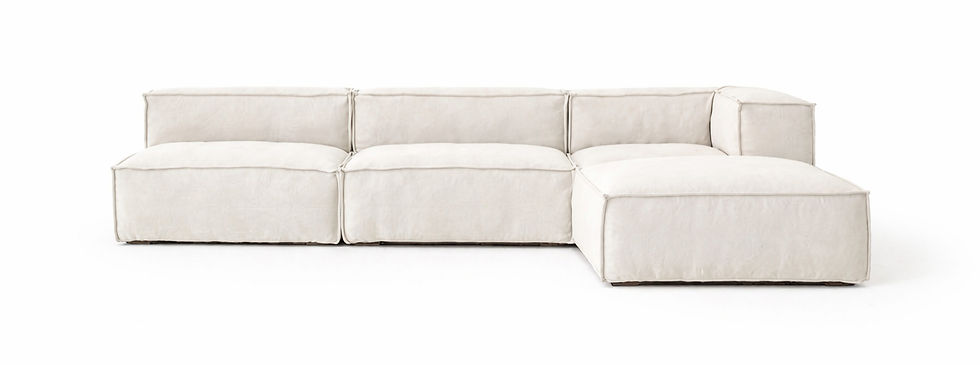
The L-shaped sofa, also known as a sectional sofa, consists of two connected seating sections forming a right angle. One side typically functions as a chaise or extended seating area.
Design Applications
Ideal for open-plan living areas
Effective for defining zones without walls
Common in family rooms and media spaces
Interior Design Considerations
Requires sufficient floor space to avoid visual congestion
Best placed with its longer side aligned to walls or architectural axes
Works well when paired with minimal coffee tables to maintain flow
Advantages
Maximizes seating capacity
Encourages social interaction
Offers lounge-style comfort

Modular Sofa
Description
A modular sofa is composed of independent units that can be rearranged to create multiple configurations. Modules may include armless seats, corner units, chaises, and ottomans.
Design Applications
Flexible layouts and evolving spaces
Contemporary and minimalist interiors
Multifunctional or dynamic living environments
Interior Design Considerations
Requires precise planning to maintain balance and symmetry
Modules should be proportionate to room scale
Upholstery and seams must be consistent to ensure visual unity
Advantages
High adaptability
Customizable configurations
Ideal for growing families or changing layouts
Three-Seater Sofa (3-Plazas)
Description
The three-seater sofa is a classic and versatile seating solution designed to comfortably accommodate three people.
Design Applications
Medium to large living rooms
Formal seating arrangements
Paired with accent chairs or loveseats
Interior Design Considerations
Acts as the primary visual anchor of the space
Proportions should align with room width and ceiling height
Works best when centered or symmetrically positioned
Advantages
Balanced scale
Timeless design
Suitable for both modern and traditional interiors

Two-Seater Sofa (2-Plazas)
Description
The two-seater sofa offers compact seating while maintaining comfort and style. It is often used as a complementary piece.
Design Applications
Small living rooms or apartments
Secondary seating areas
Paired with a three-seater for layered layouts
Interior Design Considerations
Should not compete visually with larger pieces
Ideal for maintaining circulation in limited spaces
Upholstery selection can add character without overpowering the room
Advantages
Space-efficient
Easy to integrate
Versatile placement options

Loveseat
Description
A loveseat is a compact sofa designed for two people, often with a more intimate scale and refined proportions.
Design Applications
Bedrooms and private lounges
Reading corners or sitting areas
Boutique hotels and hospitality settings
Interior Design Considerations
Best used as an accent seating piece
Can introduce texture, color, or contrast
Must be carefully scaled to avoid feeling undersized
Advantages
Elegant and intimate
Ideal for small or secondary spaces
Enhances layered seating compositions

Choosing the Right Sofa for Your Space
From an interior design perspective, selecting the correct sofa type depends on:
Room dimensions and circulation paths
Lifestyle and frequency of use
Architectural context
Desired aesthetic and comfort level
A well-chosen sofa improves spatial flow, reinforces design intent, and enhances daily functionality. In custom or millwork-focused projects, sofa selection should be coordinated early to ensure seamless integration with surrounding furniture and built-in elements.

A Closer Look: Seat Comfort Options
SoftThis sofa features a soft seat designed for plush, sink-in comfort. Ideal for lounging and relaxed living spaces, it offers a cozy, enveloping feel. Due to its softer construction, cushions require regular fluffing to maintain their shape and appearance over time.
MediumThe medium seat option provides a balanced level of comfort and support. It offers gentle cushioning with enough structure for everyday use, making it a versatile choice for both lounging and more formal seating areas. This option maintains its form well while still delivering comfort.
FirmDesigned for maximum support, the firm seat option offers a structured and tailored feel. It is ideal for clients who prefer a more upright sitting posture or for high-traffic areas where durability and shape retention are key priorities. This option requires minimal maintenance and preserves its form over time.
Final Thoughts
Sofas are not just furniture pieces—they are spatial tools. Understanding their typologies allows interior designers to create layouts that feel intentional, comfortable, and visually balanced.
Professional design is achieved when form, function, and proportion work together harmoniously.


Comments