
Decorative Pillows in Interior Design
Shapes, Dimensions, and How to Use Them Correctly
Decorative pillows are essential elements in interior design. Beyond comfort, they play a key compositional role by balancing proportions, reinforcing style, and adding visual layers to sofas, beds, benches, and lounge chairs.
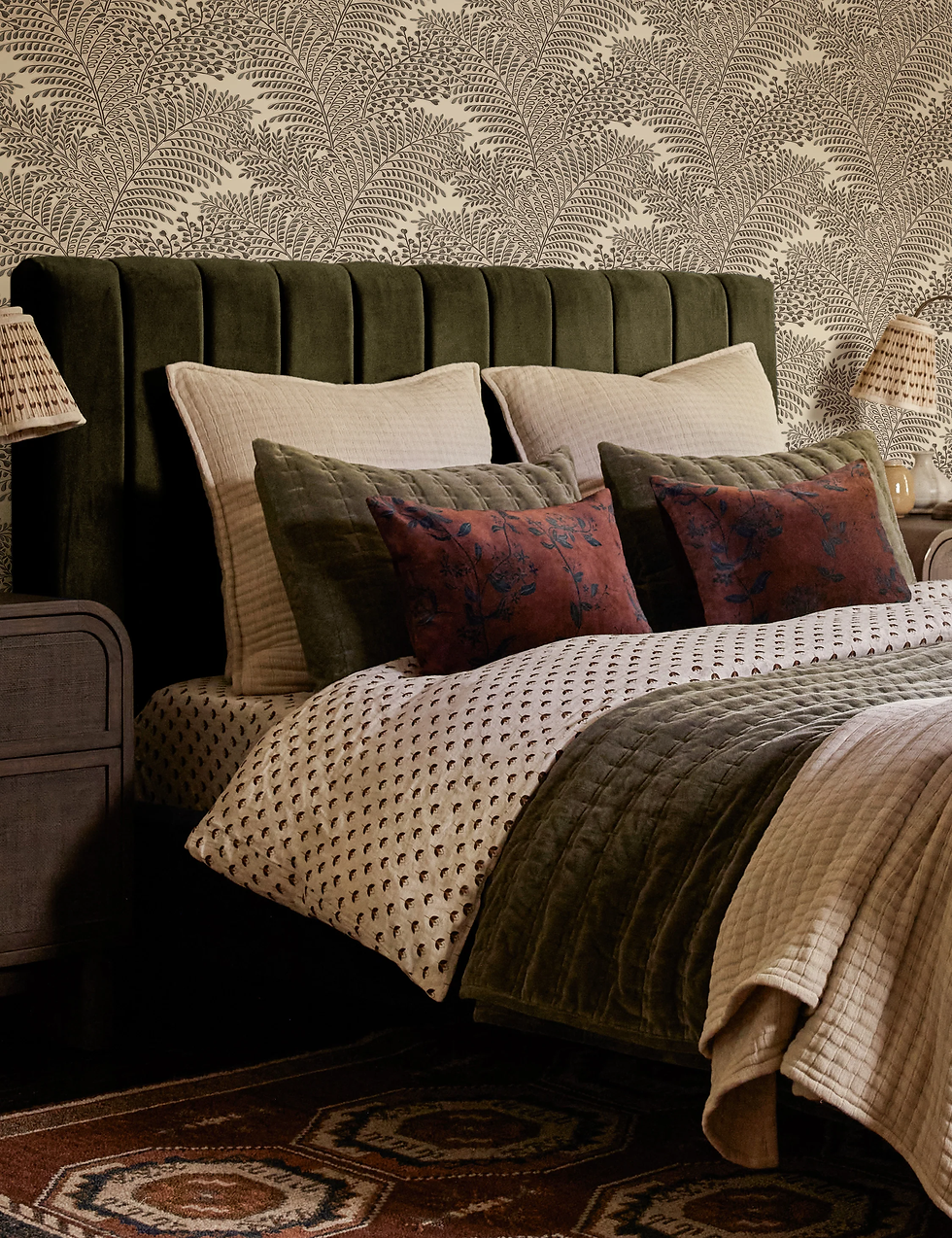
Choosing the right shape and size allows designers to create cohesive, polished compositions. Below is a guide to the most common decorative pillow types, their recommended dimensions, and how to integrate them into interior spaces.
1. Square Decorative Pillows

Square pillows are the most versatile and widely used in both residential and hospitality design. They serve as the foundation of most pillow arrangements and adapt easily to different styles.
Recommended sizes:
45 × 45 cm (minimum standard)
50 × 50 cm
55 × 55 cm
60 × 60 cm
65 × 65 cm
70 × 70 cm
Best uses:
Two- and three-seat sofas
Sectional and modular sofas
Beds as decorative back support
Benches and deep lounge seating
Design tip:Larger sizes (60 cm and above) work best on deep sofas and queen or king beds, while medium sizes (45–55 cm) are ideal for standard sofas and lighter compositions.
2. Rectangular Pillows (Lumbar / Kidney)

Rectangular pillows add visual contrast and ergonomic lumbar support. They are ideal for breaking symmetry and adding depth to pillow compositions.
Common sizes:
35 × 50 cm
35 × 60 cm
35 × 65 cm
35 × 75 cm
35 × 90 cm
35 × 95 cm
50 × 75 cm
35 × 120 cm (1.20 m)
Best uses:
Front layer on sofas
Lumbar support on chairs and benches
Beds, layered over square pillows
Design tip:Long lumbar pillows (90 cm and above) work especially well on king-size beds or wide sofas, visually extending the width of the furniture.
3. Spherical Decorative Pillows (Ball Shape)

Spherical pillows are accent pieces designed primarily for visual impact. They add softness, volume, and a sculptural element to a space.
Recommended sizes:
40 cm diameter (minimum)
50 cm diameter
Best uses:
Accent chairs
Beds as a statement accessory
Creative or contemporary interiors
Children’s rooms or playful spaces
Design tip:Use spherical pillows sparingly. They work best as a single accent or paired with structured pillows to maintain balance.
4. Cylindrical Pillows (Bolsters)

Cylindrical pillows provide structured support and a refined profile. They are commonly used in high-end residential and hospitality interiors.
Common dimensions:
20 cm diameter × 50 cm length
Custom sizes depending on furniture scale
Best uses:
Sofas and daybeds
Beds as lumbar support
Upholstered benches
Design tip:Bolster pillows bring a clean, tailored look and are ideal for contemporary, minimalist, or hotel-inspired spaces.
5. Bed Pillows (Decorative & Functional)
Bed pillows serve both functional and decorative purposes. In interior design, they are essential for creating layered, inviting bed compositions.
Standard sizes:
Standard: approx. 50 × 66 cm
Queen: approx. 50 × 76 cm
King: approx. 50 × 90 cm
Best uses:
Twin, queen, and king beds
Layered decorative arrangements in bedrooms
Design tip:In well-designed beds, standard pillows are layered behind square and rectangular decorative pillows to create depth and visual interest.
Other forms


Final Thoughts
Selecting decorative pillows is a deliberate design decision. Each shape and size contributes to proportion, comfort, visual hierarchy, and overall balance.
A successful pillow composition considers:
Furniture scale
Seat or bed depth
Interior style
Pillow function (decorative, lumbar, or support)
Mastering these principles results in more refined, cohesive, and professionally styled interiors.


Comments